Nature Projects Assessment Framework
A science-based approach to evaluating nature restoration for real-world impact.
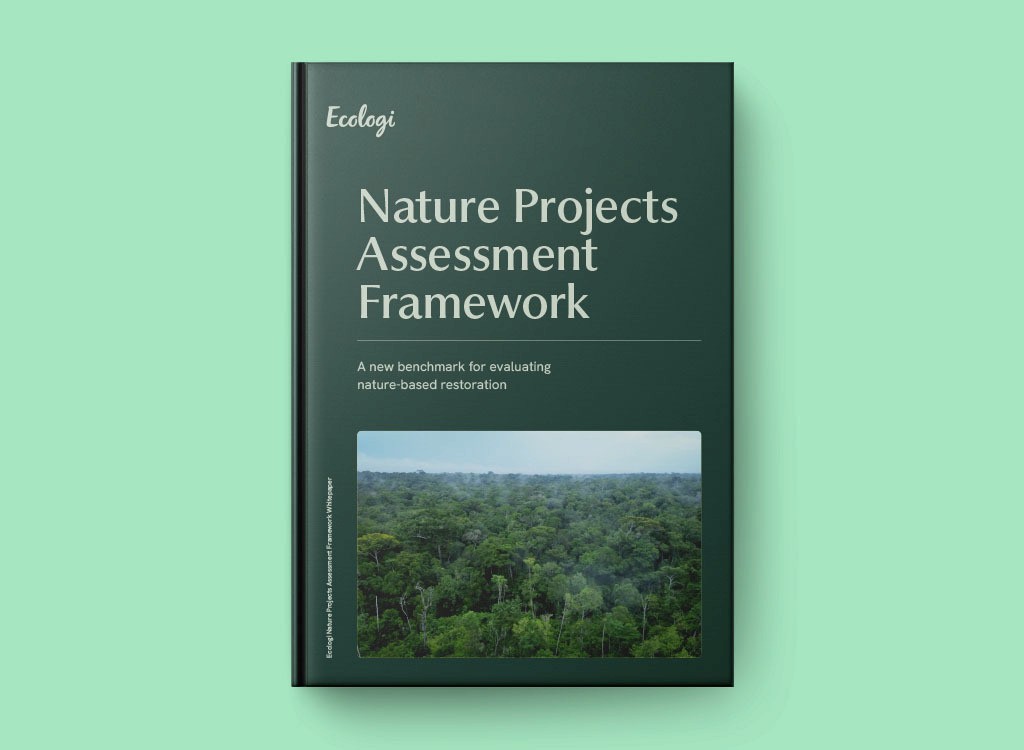
The Nature Projects Assessment Framework (NPAF) explains how Ecologi assesses nature-based restoration projects before they are funded. It sets out a structured, science-informed approach to evaluating quality, risk and long-term outcomes across ecosystems and communities.
Grounded in ecological science and aligned with global best practice, the NPAF enables businesses to invest in nature with confidence, ensuring funding supports projects that deliver measurable, durable impact.
In brief
What it is
A structured framework for assessing nature projects across biodiversity, ecosystem services, socioeconomic outcomes and governance, incorporating both impact potential and delivery risk.
Who it’s for
Sustainability leaders, procurement teams and decision-makers responsible for allocating climate and nature investment as part of a credible 3Rs strategy.
Why it matters
Nature outcomes are complex and difficult to measure. Without a consistent way to assess quality, businesses face increased risk of poor impact, misallocated funding and greenwashing.
Applying the framework in practice


Why this framework exists
Interest in nature-based solutions is growing rapidly, but the market lacks a standardised way to evaluate project quality.
Businesses face common challenges, including:
Inconsistent quality and limited comparability across nature projects
Difficulty assessing impact before projects are implemented
Limited visibility into ecological, social and governance risks
Increasing scrutiny around nature claims and greenwashing
At the same time, nature loss is now a material business risk, affecting supply chains, operations and long-term resilience.
The NPAF exists to address these challenges by providing a clear, transparent and defensible approach to nature project due diligence.
How the framework works
The NPAF applies a structured, two-stage assessment process designed to identify high-quality nature projects and manage risk.
Stage 1: Initial due diligence
Projects are screened for suitability, governance, ecological rationale and safeguarding, filtering out high-risk or low-integrity opportunities early.
Stage 2: Multi-dimensional assessment
Projects are evaluated using a scoring framework across four core pillars:
Biodiversity – ecosystem health, species richness and habitat restoration
Ecosystem services – functions such as water regulation, soil health and carbon sequestration
Socioeconomic impacts – community benefits, livelihoods and long-term engagement
Governance – delivery capability, transparency and long-term stewardship
Each project is supported by a detailed set of indicators, metrics and evidence sources, including remote sensing, project documentation and third-party validation.
Scores are adjusted to reflect delivery risk, ensuring funding is directed toward projects with both strong design and high likelihood of long-term success.
What good looks like in practice
High-quality nature projects typically demonstrate:
Clear ecological rationale and alignment with local ecosystem needs
Evidence-based design, with measurable and attributable outcomes
Strong community engagement and equitable benefit sharing
Robust governance, monitoring and long-term management plans
Transparent reporting supported by credible data and verification
This approach ensures nature funding delivers meaningful outcomes for ecosystems and communities, not just activity-based metrics.
Learn
How to fund high-quality nature projects
Nature vs carbon: understanding the difference
Avoiding greenwashing in nature investment
Implement
Explore Ecologi’s Restore solutions
Build a high-integrity climate and nature portfolio
Speak to our climate experts